

Medication Adherence: Why It Matters and Tips to Improve It
Staying consistent with epilepsy medication is one of the most powerful ways to manage seizures and protect long-term health, but it isn’t always easy. This article explores why medication adherence matters, the common challenges people face, and practical strategies to build supportive routines. From using reminders and pill organizers to involving loved ones and healthcare providers, readers will discover realistic steps to stay on track. Whether you’re living with epilepsy or supporting someone who is, this guide offers encouragement and tools to make medication management feel less overwhelming and more empowering.
Dr. Clotilda Chinyanya
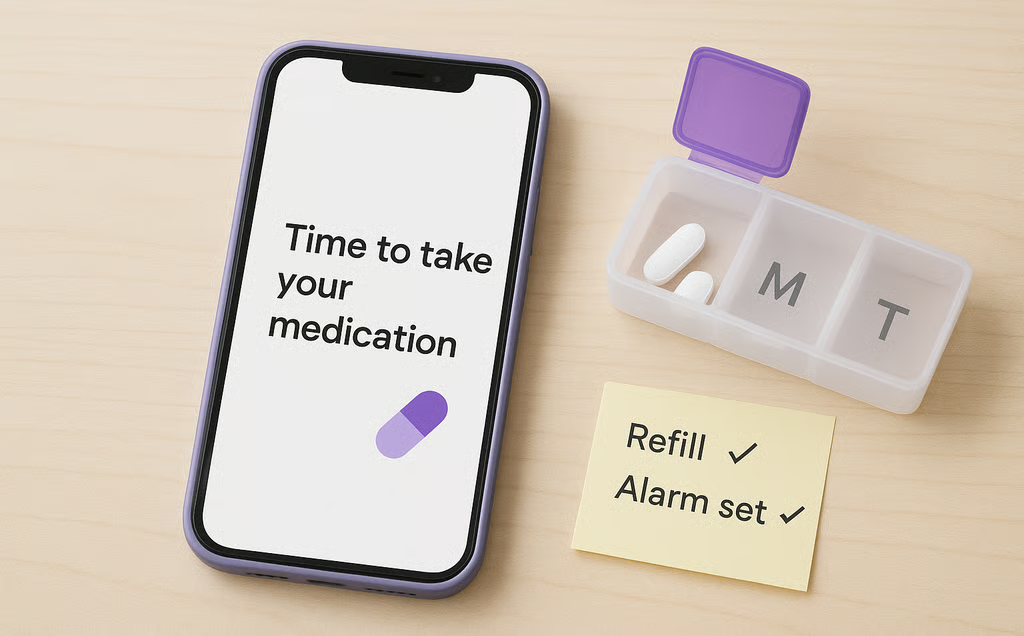
Medication Adherence
Taking medication exactly as prescribed might sound simple, but for many people living with chronic conditions like epilepsy, it’s one of the biggest ongoing challenges. Medication adherence isn’t just about swallowing a pill, it’s about staying consistent, informed, supported, and empowered. And when adherence slips, health, safety, and quality of life can all be affected.
This blog breaks down why medication adherence matters and offers practical, realistic tips to help make it easier.
What Is Medication Adherence?
Medication adherence means taking your medicine:
-
At the right dose
-
At the right time
-
In the right way
-
For the full duration prescribed
Whether someone is managing epilepsy, diabetes, high blood pressure, or another chronic condition, consistency is often the key to stability.
Why Medication Adherence Matters
Sticking to prescribed treatment can make a life-changing difference. When medication is taken correctly, it can:
-
Prevent seizure activity or symptom flare-ups
-
Reduce hospital or emergency visits
-
Improve daily function and independence
-
Lower the risk of injury and complications
-
Support long-term health goals and stability
For many, especially people with epilepsy, skipping even one dose can trigger setbacks that ripple into work, school, driving, independence, and emotional well-being.
Why People Struggle with Adherence
Medication nonadherence isn’t always about choice, it’s often about circumstance. Some common barriers include:
-
Forgetfulness or a busy schedule
-
Uncomfortable side effects
-
Cost of medication or limited access
-
Complex dosing schedules
-
Stigma or denial
-
Lack of education or support
Understanding the “why” is the first step to improving consistency.
Consequences of Skipping or Stopping Medication
When medication isn’t taken as prescribed, the risks increase significantly:
-
Breakthrough seizures or return of symptoms
-
Emergency care or hospitalization
-
Reduced medication effectiveness over time
-
Loss of driving privileges or independence
-
Emotional strain on individuals and families
These consequences aren’t meant to scare, but to validate the importance of steady support and planning.
Tips to Improve Medication Adherence
Here are practical and manageable steps that make a difference:
Build Reminders into Daily Life
-
Phone alarms
-
Reminder apps
-
Sticky notes
-
Habit stacking (link medication to brushing teeth, meals, or bedtime)
Use Pillboxes & Organizers
-
Weekly or monthly containers
-
Color-coded or labeled sections
-
Refill checklists
Simplify When Possible
-
Ask your healthcare provider about extended-release options
-
Combine doses when medically appropriate
Manage Side Effects Early
-
Communicate openly with doctors
-
Adjust dosage or switch medications when possible
-
Never stop medication suddenly without guidance
Lean on Support Systems
-
Family reminders or shared calendars
-
Peer accountability groups
-
Caregiver assistance when needed
Coordinate with Pharmacies
-
Auto-refills or text reminders
-
Medication delivery services
-
Synchronizing refills to one pickup date
Working with Healthcare Professionals
A strong partnership with a doctor or pharmacist can make adherence less stressful. Encourage:
-
Clear discussions about side effects
-
Asking questions without judgment
-
Exploring cost-saving or generic options
-
Clarifying how and when to take each medication
Supporting Different Age Groups
Medication routines look different across ages:
-
Children: Use routine, flavor options, charts, or caregiver supervision
-
Teens: Encourage independence without removing support
-
Older adults: Use pill organizers, reminder systems, or caregiver involvement
Technology That Can Help
Tech tools can make adherence easier and more consistent:
-
Smartphone apps with alerts
-
Smart pill dispensers
-
Digital calendars or wearable reminders
-
Refill tracking tools
Advocacy and Community Support
No one should feel alone in their treatment journey. Advocacy groups and communities can offer:
-
Encouragement and lived experience
-
Education and practical tools
-
A safe space to talk about challenges
-
Reduced stigma around medication use
Sharing stories normalizes the reality of sticking to treatment and makes it easier for others to do the same.
Final Takeaway
Medication adherence isn’t about perfection, but about progress, support, and building habits that protect your health. When people have the right tools, understanding, and encouragement, staying on track becomes more manageable.
Small changes can lead to better outcomes, greater independence, and peace of mind. And no one should have to do it alone.
This blog is for educational purposes and does not replace medical advice. If you or someone you love experiences unexplained episodes like those described, consult a qualified healthcare professional for evaluation and care.